
Dog Grooming
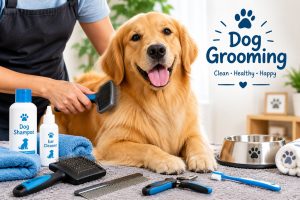
Dog grooming is an essential part of keeping your pet clean, comfortable, and healthy. Regular grooming helps remove dirt, loose hair, and tangles while allowing you to check your dog’s skin, coat, ears, and nails. Whether you have a short-haired puppy or a long-haired adult dog, the right grooming routine cDog Grooming: Complete Guide to Brushing, Bathing, and Shedding
an make a significant difference in your pet’s daily comfort.
Many dog owners think grooming is only about appearance, but it also supports coat maintenance and helps identify potential problems early. Understanding brushing, bathing, nail care, and shedding can help you choose suitable products and develop a practical routine for your dog.
What Is Dog Grooming?
Dog grooming includes brushing, bathing, nail trimming, ear checks, and general coat maintenance. The right approach depends on your dog’s breed, coat length, activity level, and individual needs.
For example, Dog Grooming long-haired dogs often need frequent brushing to prevent mats, while short-haired dogs may require less brushing but can still shed regularly. Dogs that spend considerable time outdoors may also need more frequent cleaning.
A consistent grooming routine helps keep your dog comfortable and makes it easier to notice changes in the skin or coat.
Why Is Regular Dog Grooming Important?
Dog grooming regular offers several benefits for both dogs and their owners.
1. Dog Grooming Maintains a Healthy Coat
Brushing removes loose hair, dirt, and surface debris. It also helps distribute natural oils through the coat, supporting a clean and healthy appearance.
2. Helps Prevent Tangles and Mats
Long or curly coats can develop tangles, particularly around the ears, legs, tail, and collar. Frequent brushing helps prevent these tangles from becoming uncomfortable mats.
3. Supports Skin Health
Grooming gives you an opportunity to check for redness, unusual bumps, parasites, or excessive scratching. Persistent itching, irritation, or hair loss should be discussed with a veterinarian.
4. Helps Maintain Comfortable Nails
Dog Grooming Overgrown nails may make walking uncomfortable. Checking your dog’s nails regularly helps you determine when trimming is necessary.
5. Helps Manage Dog Shedding
Dog Grooming Shedding is a natural process in which dogs lose old or damaged hair. Regular brushing helps remove loose fur before it spreads across furniture, carpets, and clothing.
Understanding Dog Shedding
Dog shedding is a normal part of coat maintenance. However, the amount of hair a dog loses varies according to breed, coat type, season, environment, and overall health.
Some breeds shed lightly throughout the year, while others experience heavier seasonal shedding. Dogs with thick double coats may release significant amounts of loose undercoat during seasonal changes.
How to Reduce Excessive Shedding
Although you cannot completely stop normal shedding, several grooming practices can help manage loose hair.
- Brush regularly: Choose a brush suitable for your dog’s coat type to remove loose fur.
- Use appropriate grooming tools: An undercoat rake may help certain double-coated breeds, while a soft bristle brush may suit some short-haired dogs.
- Provide balanced nutrition: A complete, balanced diet supports healthy skin and coat condition.
- Bathe when necessary: Appropriate bathing can help loosen dead hair, but excessive bathing may dry the skin.
- Monitor skin changes: Sudden hair loss, bald patches, redness, or persistent itching may indicate a problem requiring veterinary attention.
Avoid shaving double-coated breeds solely to control shedding unless a veterinarian recommends it for a specific medical reason.
Essential Dog Grooming Tools
Choosing suitable dog grooming tools makes home grooming easier and more effective. Start with basic supplies that match your dog’s coat and comfort level.
- Dog grooming brush: A slicker, bristle, or pin brush may suit different coat types.
- Dog comb: Useful for checking tangles in longer coats.
- Dog shampoo: Select a product formulated specifically for dogs.
- Dog nail clippers: Choose an appropriate size and trim carefully.
- Pet towel: Helps remove excess water after bathing.
- Undercoat rake: May be useful for breeds with dense undercoats.
Before purchasing grooming products, consider your dog’s size, coat texture, and skin sensitivity. The most expensive tool is not always the best choice.
How to Groom a Dog at Home
You can manage many basic grooming tasks at home with patience and the right equipment.
Step 1: Brush the Coat
Dog Grooming Begin by brushing gently to remove loose hair and surface dirt. Work in small sections and pay attention to areas where tangles commonly develop.
For long-haired dogs, use a suitable comb to check the coat after brushing. Never pull forcefully on mats or cut tangled fur close to the skin with scissors.
Step 2: Bathe Your Dog
Use lukewarm water and a dog-specific shampoo. Wet the coat carefully, apply the product according to its instructions, and rinse thoroughly.
Avoid getting shampoo into your dog’s eyes, nose, or ears. Bathing frequency depends on coat condition, lifestyle, and veterinary advice.
Step 3: Dry the Coat
Dog Grooming Gently towel-dry your dog after bathing. If you use a pet-safe dryer, select an appropriate low-heat setting and avoid directing hot air at one area for too long.
Proper drying is particularly important for thick or long coats, where trapped moisture may contribute to skin irritation.
Step 4: Check the Nails and Ears
Inspect your dog’s nails and trim them only when necessary. Avoid cutting the quick, which contains blood vessels and nerves. Ask a professional groomer or veterinarian for guidance if you are unsure.
Check the ears for redness, swelling, discharge, or unpleasant odors. Clean only when appropriate with a suitable ear-cleaning product. Pain, persistent head shaking, or discharge warrants veterinary attention.
How Often Should You Groom Your Dog?
The ideal dog grooming schedule depends on your dog’s breed and coat type.
- Short-haired dogs: Brush approximately once or twice a week, adjusting for shedding.
- Long-haired dogs: Brush daily or several times a week to prevent tangles.
- Double-coated dogs: Brush regularly and increase brushing during heavier shedding periods.
- Bathing: Bathe when needed based on dirt, coat condition, and veterinary guidance.
- Nail care: Check nails regularly and trim when they become too long.
- Ear checks: Inspect routinely and clean only when necessary.
These are general guidelines. Your dog’s individual grooming needs may differ.
Common Dog Grooming Mistakes to Avoid
Avoid using human shampoo, brushing too aggressively, cutting nails too deeply, or leaving shampoo residue on the coat. These mistakes may cause discomfort or irritation.
Do not force a frightened dog to continue grooming. Keep sessions short, offer praise and treats, and introduce unfamiliar tools gradually.
Never use aggressive brushing or excessive de-shedding treatments to remove undercoat. These practices can damage the coat or irritate the skin. If your dog has severe matting or becomes highly distressed, consult a qualified professional.
Frequently Asked Questions
How often should I brush my dog?
Short-haired dogs may need brushing once or twice a week, while long-haired dogs often need daily brushing. Adjust the schedule according to your dog’s coat and shedding level.
Can regular grooming stop dog shedding?
No. Shedding is a natural process, and grooming cannot eliminate it completely. Regular brushing helps remove loose hair and reduce the amount that collects around your home.
What is the best brush for shedding dogs?
The best brush depends on the coat. Undercoat rakes may help some double-coated breeds, while slicker or bristle brushes may be suitable for other dogs.
When should I worry about excessive shedding?
Consult a veterinarian if shedding suddenly increases or occurs with bald patches, persistent itching, redness, sores, or other unusual symptoms.
Conclusion
Dog grooming is an important part of responsible pet care. Regular brushing, appropriate bathing, nail maintenance, and routine skin checks help keep your dog clean and comfortable. Understanding dog shedding also makes it easier to select suitable grooming tools and establish a manageable routine.
Choose products according to your dog’s coat type, use gentle techniques, and seek professional help when necessary. With consistency and patience, grooming can become a positive part of your dog’s healthy lifestyle.
Hi, this is a comment.
To get started with moderating, editing, and deleting comments, please visit the Comments screen in the dashboard.
Commenter avatars come from Gravatar.