
Dog Lick Mats
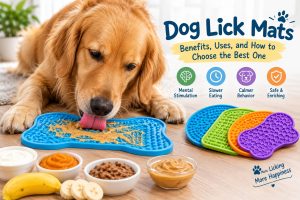
Dog lick mats are becoming a popular tool among pet owners who want to make treat time more engaging for their dogs. These mats feature textured surfaces designed to hold soft foods, encouraging dogs to lick the food from different grooves and patterns. They can provide enrichment, help slow down treat consumption, and make certain daily routines more enjoyable.
However, choosing the right lick mat and using it safely are essential. In this guide, you will learn about the benefits of dog lick mats, how to use them, which foods to serve, and what to consider before buying one.
What Are Dog Lick Mats and How Do They Work?
Dog lick mats are flat feeding accessories made from materials such as food-grade silicone or rubber. Their surfaces contain ridges, grooves, and patterns that hold soft dog-friendly foods.
Instead of eating from a regular bowl, a dog licks the food from the textured surface. This activity can provide mental stimulation and turn a simple snack into an engaging experience.
Lick mats are available in different sizes, shapes, textures, and designs. Some are suitable for puppies and small dogs, while larger models may work better for bigger breeds.
When choosing a mat, consider your dog’s size, chewing habits, and the manufacturer’s safety instructions.
Top Benefits of Using Dog Lick Mats
1. How Dog Lick Mats Provide Mental Stimulation
Dog lick mats, dogs need activities that engage their minds as well as their bodies. A lick mat encourages them to explore different textures and work to reach small portions of food.
This activity can be useful during quiet indoor periods when your dog needs additional enrichment. However, lick mats should complement walks, playtime, training, and other activities rather than replace them.
2. Dog Lick Mats for Longer Treat Time
A lick mat spreads food across a textured surface instead of placing it in a single pile. This can make some snacks take longer to finish.
The actual time depends on the food, mat design, and individual dog. A lick mat is not a guaranteed solution for rapid eating, and it should not replace a suitable slow-feeder bowl when a dog needs help eating regular meals more slowly.
3. May Support Relaxation During Daily Routines
Dog lick mats Some dogs enjoy licking as part of a calm, predictable activity. Offering a lick mat during quiet periods may help make routines such as brushing or settling down more positive.
Introduce the mat gradually and observe your dog’s response. It is not a treatment for separation anxiety or other behavioral disorders. Dogs with significant anxiety may need guidance from a veterinarian or qualified behavior professional.
4. Using Dog Lick Mats During Grooming
A lick mat may help distract a dog during gentle brushing or other familiar grooming activities. For example, you can spread a small amount of an appropriate treat on the mat while brushing your dog’s coat.
Always supervise your pet and stop if the dog becomes distressed. Do not use a lick mat to force a frightened dog to tolerate grooming.
5. Offers Convenient Indoor Enrichment
Bad weather, limited indoor space, or a busy schedule can sometimes make it harder to provide varied activities. A lick mat offers a simple enrichment option that can be prepared in advance.
You can use it for occasional snacks or as part of a supervised enrichment routine, while continuing to provide exercise and social interaction.
Best Foods for Dog Lick Mats
Choosing suitable food is important for your dog’s health. Use small amounts of dog-safe ingredients and account for these treats in your pet’s daily calorie intake.
1. Plain Yogurt
A small amount of plain, unsweetened yogurt may suit some dogs that tolerate dairy. Avoid sweetened varieties and check the ingredients carefully for xylitol, which is dangerous to dogs.
Dogs that develop digestive upset after dairy products should not receive yogurt.
2. Pumpkin Puree
Plain cooked pumpkin puree without added sugar, spices, or other ingredients can be a useful option for many dogs. Avoid pumpkin pie filling, which may contain unsuitable ingredients.
3. Wet Dog Food
Wet dog food is often convenient because it is formulated for dogs. Spread a thin layer across the mat and follow the storage instructions on the packaging.
4. Dog-Safe Peanut Butter
Some dogs enjoy peanut butter in small quantities. Choose a product without xylitol and avoid varieties with excessive salt, sugar, or added ingredients.
Peanut butter is calorie-dense, so use it sparingly.
5. Mashed Banana
A small amount of plain mashed banana can provide variety. Because it contains natural sugar, it is best served as an occasional treat rather than a large portion.
Always introduce new foods gradually and consult your veterinarian if your dog has allergies, a medical condition, or a restricted diet.
How to Use Dog Lick Mats Safely
Using a lick mat is straightforward when you follow a few basic steps.
Step 1: Choose the Right Mat
Select a mat that is appropriate for your dog’s size and chewing behavior. Look for a durable, easy-to-clean design made from pet-safe materials.
Step 2: Prepare a Thin Layer of Food
Spread a small amount of suitable soft food across the textured surface. Avoid filling the grooves with excessive food, especially when introducing the mat for the first time.
Step 3: Introduce It Gradually
Place the mat on a stable surface and allow your dog to investigate it. Praise calm behavior and let your pet discover how to reach the food naturally.
Step 4: Supervise Your Dog
Watch your dog throughout the activity. Remove the mat if your pet starts biting, tearing, or swallowing pieces of it.
Step 5: Clean It Thoroughly
After use, remove leftover food and wash the mat according to the manufacturer’s instructions. Inspect it regularly for cracks, loose pieces, or other signs of damage.
How to Choose the Best Dog Lick Mats
Before buying a lick mat, compare the following features.
Material: Choose a product made from pet-safe materials and follow the manufacturer’s instructions for use and cleaning.
Texture: Simple grooves may be suitable for beginners, while more complex patterns can provide a different licking experience.
Size: Choose a mat that allows your dog to access the food comfortably without creating unnecessary chewing hazards.
Suction cups: Some mats include suction cups to help secure them to smooth surfaces. Check that they attach firmly and are suitable for the intended surface.
Cleaning: Dishwasher-safe designs may be convenient, but verify the manufacturer’s temperature and cleaning guidance before using a dishwasher.
Durability: No lick mat is indestructible. Dogs that chew aggressively may need a different enrichment option.
Are Dog Lick Mats Safe for Every Dog?
Dog lick mats can be useful when selected and used appropriately, but they are not suitable for every dog.
The main risk is chewing and swallowing pieces of the mat. This can cause choking or gastrointestinal obstruction. Supervision is especially important for dogs that destroy toys or chew on rubber products.
Use only ingredients that are safe for dogs, avoid toxic additives, and remove uneaten perishable food promptly. Clean the mat thoroughly to prevent food residue from building up.
If your dog has difficulty swallowing, a history of intestinal obstruction, food allergies, or a condition requiring a special diet, ask your veterinarian before introducing a lick mat.
Conclusion
Dog lick mats offer a simple way to make treat time more engaging while providing additional mental enrichment. They can support calm routines, complement grooming sessions, and encourage dogs to explore different food textures.
To get the most out of a lick mat, choose a suitable design, use dog-safe foods, supervise your pet, and clean the mat after every use. Remember that lick mats are enrichment tools, not replacements for exercise, training, balanced meals, or veterinary care.
With the right approach, a dog lick mat can become a useful addition to your pet’s everyday routine.